
Planning a Madeira Photography Trip
Updated: Aug 20
This article is part of the Complete Guide to Photography in Madeira
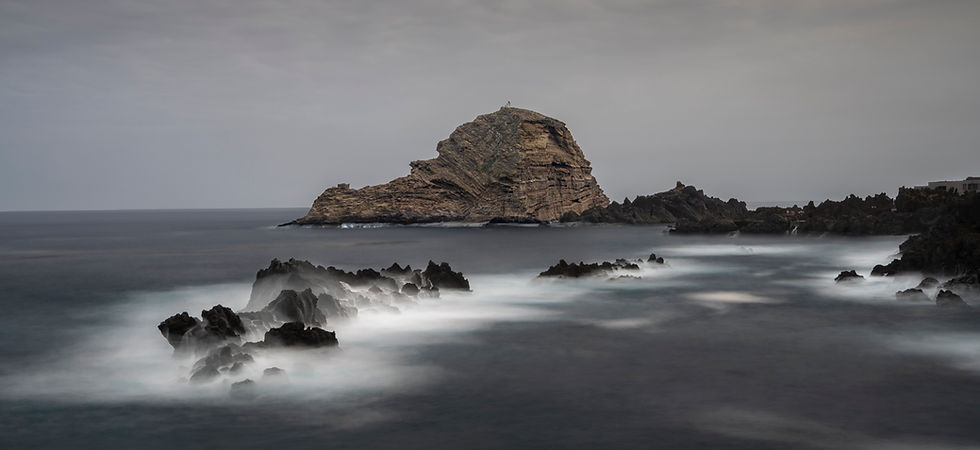
Madeira is a small island, and you can drive from one end to the other in under 90 minutes, but getting the logistics right can make a big difference to the images you bring home. The weather changes quickly, so you need enough flexibility to adapt to the conditions. The best sunrise locations are spread out around the island, so picking the right base is important.
This article can help you make informed planning decisions for a Madeira photography trip, and get you to the right places for the weather at any time of day.
Contents
How Long to Spend in Madeira for Photography

The advantage of visiting such a small destination is that you can cover a lot of ground on a short trip. However, Madeira is dense with photography opportunities, and the range of weather makes it rewarding to return to the same places in different conditions. Even if you have enough time to visit every part of the island, you may not have long enough to photograph them well.
For a short trip, I would usually choose one flexible base. For a longer photography trip, the best approach is often to split your stay between the northwest and the east, reducing early starts and making it easier to respond to changing weather.

5 days: Best for a highlights trip with one base.
This is the minimum you need in Madeira to capture some of the highlights and get a sense of the landscape and main towns. It may be too rushed if you are travelling a long way to visit the island, but you can fill every day with great photography and visit a range of different locations.
There won’t be much time to explore or revisit your favourite photography spots, but with enough research you can capture a great set of images in five days. I recommend only staying in one place for such a short journey.
10 days: Best balance for most photographers, with two bases.
This is a great balance of efficiency and opportunity to go a little deeper. There is enough to discover that you won’t waste a day, but ten days will also give you the option to revisit spots and spend longer at your favourite locations.
This trip will give you some insurance against bad weather, but you won’t get bored if the conditions are good every day of the journey. I recommend staying in two places for a journey of this length; a base in the northwest and the southeast will give you the best coverage.
Two weeks or more: Best for slower exploration, long hikes and repeat visits
At two weeks, you will have the time for a thorough exploration of Madeira and the chance to explore some of the lesser-known areas. This trip will give you time to take on some long hikes into the forest and visit a few speculative locations that most photographers don’t have time to investigate.
15 days is ideal if you love to explore each place in depth, or if you have plenty of time to invest in photography travel. You can extend to three bases for a long trip like this, but two is also enough in such a small place and can work if you don’t like moving accommodation.
Where to Stay in Madeira

Madeira is only 57km long and 22km wide, so any base can give you full access to the island. However, getting on location for sunrise is much easier if you’re staying nearby, and the road network means some bases are more flexible than others. Picking the right place to stay will make a huge difference to your options on the trip, and help you avoid too many early starts for first light.
Northwest Madeira: Best for Wild Coastline and Fanal
For most landscape photographers, the northwest is the most interesting part of Madeira. The coastline is rugged, and there are excellent inland locations among the forest. The weather in the northwest is changeable, and this part of the island catches the most dramatic conditions. It’s also home to the photography highlights of Fanal and Ribeira de Janela.
The most convenient base for exploring the northwest is Porto Moniz, which has great facilities and some good photography opportunities in the town. However, the mountain town of São Vicente is more flexible and has better connections to the rest of the island.
Northeast Madeira: Best for Sunrise, Mountains, and Eastern Access
The northeast is a great region for sunrise and clifftop views, with access to Ponta de São Lourenço and hiking trails around the eastern mountains. There are fewer well-known photography locations,, and it’s a long way from Fanal and the northwest, but it’s an excellent second base for better coverage of the whole island.
Porto da Cruz is a very good place to stay, and it has plenty of accommodation and restaurants, with easy access to the eastern side of the island. There are photography spots in the village, and you can easily reach Pico Ruivo and Pico do Arieiro in the mountains. Other towns further up the coast, such as Faial and Santana, are also well located and have accommodation options.
Funchal and the Southeast: Best for Convenience and Eastern Access
Most visitors to Madeira stay in the sprawling suburbs of Funchal, and here you’ll find the widest variety of accommodation. This area can give photographers good access to the mountains and landscapes in the east of the island, and there are spots in the city to capture gardens, streets, historic buildings, and a different side to Madeira.
It’s difficult to combine a city-centre stay with the flexibility of a rental car and quick access to the countryside. However, the suburbs east of Funchal combine the facilities of the capital region with good promixity to the wider landscape. Staying near the airport is a good idea if you also want to visit the coastal villages of the northeast without changing base.
Southwest Madeira: Best for Mixed Trips and Forest Hikes
The southwest coast of Madeira has warmer and more reliable weather, with plenty of hotels and restaurants to choose from. This area is very popular with most visitors, but landscape photographers may find it less exciting to explore, especially if they are here for the rugged coastline and dramatic weather more common in the northwest. However, this area does have good levada and forest walks, and works well for a trip blending hiking and photography.
Ponta do Sol is one of the prettiest towns in the southwest, and a good base if you want restaurants and other facilities near your accommodation. In the centre of this region, Arco da Calheta has a good position near several roads running north across the island. Further west, you start to lose most of the location advantages, and many of the best photography spots are a long drive away.
Getting Around Madeira

Madeira’s road network is excellent, but the island’s steep terrain still shapes how a photography trip works. Many places are close together on a map, but sunrise photography, mountain roads, parking and local weather make transport one of the most important planning decisions when you’re trying to get into position for the best light.
Car Rental
For most photographers, a rental car is the best way to explore Madeira. Your own vehicle will give you flexibility and allow you to access the best photography locations in the right conditions. There are dozens of rental companies, and it’s relatively cheap to pick up a car at the airport when you arrive.
If you want to spend some time in the centre of Funchal, the best approach can be to visit at the beginning, before you pick up a car, or the end, after you return it. For most visiting photographers, airport collection is the simplest option.
Roads
Madeira has a main route circling the island and a central road crossing north-south from São Vicente to Ribeira Brava. This network has gradually improved over the years, and a series of tunnels now makes it much faster to travel around the coast, without having to follow every fold of the landscape.
Getting inland can be slower, and some mountain roads are steep and twisting. Most are very well maintained, with barriers guarding any steep drops. However, I recommend renting a smaller car for easier navigation in the mountains and narrow village streets.
Parking
Parking is generally easy on the island, and there are roadside pull-ins and organised parking areas in villages and at trailheads. You can expect to pay a few euros in villages and at the start of more popular hikes, but there are often free options if you research your destination carefully.
Look out for parking at trailheads during peak season, because hiking is very popular and spaces can be limited at the start of rural routes. Some trailhead parking fills up by 9am, and I often start hikes very early or come back in the afternoon, when others have started to leave.
Public Transport
Madeira has a useful bus network, and the SIGA system connects many towns across the island. The timetables generally won’t get you on location for sunrise or bring you back after sunset, but buses can be a good option for a day hike, and they often stop at remote trailheads.
You won’t get the most from photography in Madeira by relying on buses, but there are some useful routes for photographers. The regular bus between Funchal and Ponta de São Lourenço can help you avoid the busy parking areas at the start of the peninsula. You can also arrange transport from Funchal to the trailheads at Pico do Arieiro and Pico Ruivo, making it easier to complete the one-way walk.
Hiking

Some of Madeira’s best photography locations are only accessible on foot, and hiking allows you to explore more of the forest and mountain areas. You don’t need to walk far for a rewarding photography trip, but a few day hikes will greatly increase your options.
Before building a day around a major hike, check both the official trail status and any booking requirements. Some routes close after bad weather or landslides, and on the most popular trails you need to think about parking, trail fees and entry slots together rather than treating them as separate details.
Check the official SIMplific platform to confirm the status of your route and book a slot if you need one. This includes the Pico do Arieiro to Pico Ruivo walk, which is popular with photographers.
Connectivity, Payments, and Practical Travel Details

Madeira is within the European free-roaming area for phone connection, but I recommend getting a local eSIM if you are travelling from outside Europe and want reliable access to data. Phone signal can drop unexpectedly in the mountains, so it’s helpful to download maps and other important information for use offline.
Credit cards are widely accepted, but you might want a small amount of cash for parking fees and rural markets.
Madeira is not a place where you should expect to replace specialist camera equipment at short notice. For general electronics, there is an FNAC in Funchal, where you may find replacement chargers, memory cards and basic supplies. However, I would still carry backups for anything essential to your camera system.
Safety and Environmental Considerations
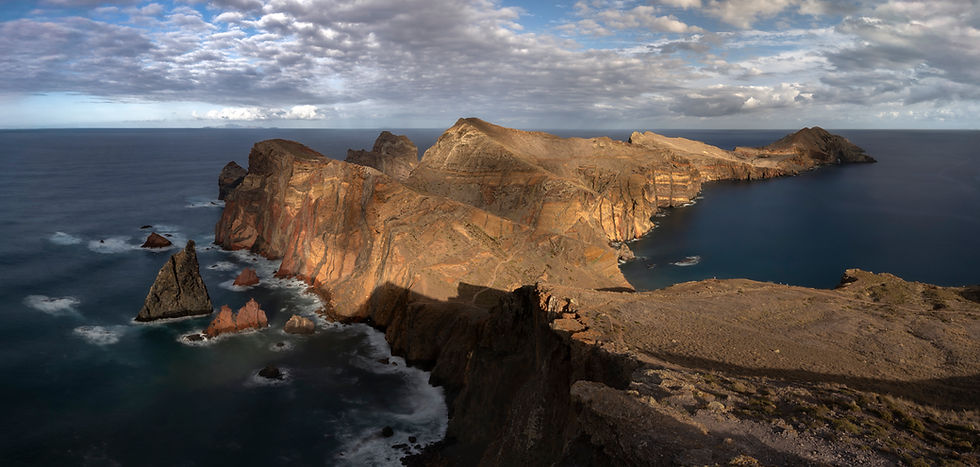
Madeira is easy to explore, and the island is well set up for visitors. However, as a photographer, you may be in more remote areas at unusual times of day, so it’s worth carrying waterproofs, a change of warm clothes in the car, and spare food and water in case you spend longer on location than planned.
Look out for ocean surges and sneaker waves around the coast because they can suddenly reach further inland than expected and pose a risk when your attention is on a composition. Stick within barriers on clifftop lookouts, because the landscape erodes quickly on this exposed terrain. In the mountains, prepare for quickly changing weather and don’t rely completely on a forecast.
Parts of Madeira are extremely fragile, especially the ancient Laurisilva forest. Stick to established paths, avoid trampling moss, roots and vegetation for a composition, and take extra care on steep or damp ground, where erosion can quickly get worse once the soil has been disturbed.
Conclusion

Madeira is an easy island to explore, but the best photography trips are built around flexibility, and the decisions you make before you go and while you travel can have a significant impact on your photography opportunities.
Choose a base that suits your priorities, rent a car if you want access to the best light, check hiking logistics before you commit to a route, and leave enough space in your schedule to respond to the weather. If you get those decisions right, Madeira becomes one of the most rewarding and manageable landscape photography destinations in Europe.
For detailed location maps, sunrise and sunset advice, route notes and regional planning, see my full Madeira Photography Guide.

About the Author

I’m Kevin Read, a photographer and travel writer creating practical resources for photographers planning their own trips. My guidebooks and articles are based on first-hand location research and photography, with advice on light, conditions and travel planning. I also publish a free monthly photography and travel magazine called In The Frame.
Comments